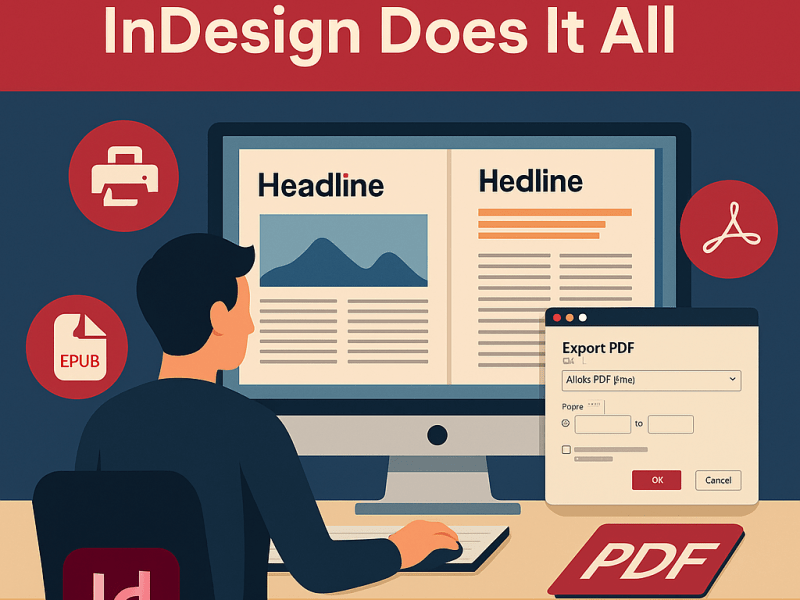
Adobe InDesign is one of the most powerful design tools available for creating professional, visually appealing print and digital publications. The term “layout” in InDesign refers to the way text, images, graphics, and other design elements are arranged on a page or across multiple pages. Creating a well-crafted layout is key to making content engaging, easy to navigate, and visually cohesive. In this article, we’ll take an in-depth look at what layout means in InDesign, the essential components of a good layout, and some key tips and tricks to help you create a successful design.
Understanding Layout in InDesign
In InDesign, a layout is the complete arrangement of all the content on a page. It involves planning how each element—text, images, graphics, colors, and whitespace—interacts and balances with other elements. A well-designed layout serves as a roadmap for readers, guiding their eyes naturally from one piece of content to another, enhancing readability, and providing a visually pleasing experience.
Layouts can be simple, such as a one-page flyer or a business card, or complex, such as multi-page magazines, books, or digital publications. InDesign provides a rich set of tools to help designers create, manipulate, and perfect layouts to suit different projects and audience needs.
Key Components of a Layout in InDesign
To fully understand what a layout is in InDesign, it’s essential to know its various components. These elements come together to form a cohesive and visually appealing page design.
1. Page Setup
The foundation of any layout begins with page setup. This involves defining the page size, orientation, and other structural elements that will affect the layout, such as margins, bleed, and slug.
- Page Size: The size of your page will determine how much content can fit comfortably on a single page.
- Margins: Margins define the boundary between the content and the edge of the page, ensuring that important content is kept within safe areas.
- Bleed and Slug: Bleed allows for printing to the very edge of the page, which is important for full-bleed designs. The slug area is used for information that won’t appear in the final document, such as crop marks or notes for the printer.
2. Grids and Guides
Grids and guides are tools that help organize the layout by creating a structured framework for placing elements.
- Grids: InDesign offers several types of grids, such as column grids, document grids, and baseline grids. Grids create consistency and rhythm in the layout, making it easier to align text and images.
- Guides: Ruler guides can be manually added by dragging from the rulers, and they help align objects precisely. Using guides ensures that all elements remain properly positioned, providing a polished and professional look.
3. Master Pages
Master Pages are templates that allow you to define elements that will be repeated across multiple pages in your document. They are commonly used for headers, footers, page numbers, and other recurring design elements.
- Consistency: By using master pages, you can maintain a consistent look across your entire project.
- Efficiency: Changes made to a master page will automatically apply to all pages that use that master, saving significant time and effort.
4. Text Frames and Image Frames
InDesign’s text frames and image frames are essential components of any layout.
- Text Frames: Text frames are containers for your text content. You can create single-column or multi-column text frames, and you can link them together to allow text to flow seamlessly across multiple frames.
- Image Frames: Image frames hold your graphic content. They can be resized, cropped, and positioned to work harmoniously with other design elements. Images and text frames can also be used together to create interesting compositions.
5. Columns and Gutters
Columns are a key part of many layouts, especially in multi-page documents like magazines and reports.
- Columns: Dividing the page into columns helps organize text into easily digestible segments, making it more readable.
- Gutters: Gutters are the spaces between columns. Maintaining a consistent gutter size is important for balance and readability.
6. Whitespace
Whitespace, or negative space, refers to the empty areas on a page that are left intentionally blank. Whitespace is a crucial part of good layout design, as it helps create visual breathing room and highlights key elements.
- Balance: Whitespace is important for balancing the overall layout, making sure that content doesn’t feel cramped or overwhelming.
- Focus: Whitespace can be used to draw attention to key elements, such as headings or images.
7. Typography and Color
Typography and color play an essential role in defining the visual identity of a layout.
- Typography: The choice of fonts, font sizes, and line spacing all affect how readable and engaging your text is. InDesign provides powerful tools for managing typography, including character styles, paragraph styles, and options for controlling hyphenation and justification.
- Color: Color is used to create emphasis, evoke emotions, and enhance visual appeal. InDesign allows you to create color swatches, apply gradients, and use spot colors for printing purposes.
Creating a Layout in InDesign: Step-by-Step
Now that you understand the components of a layout, let’s go through the steps to create a basic layout in InDesign.
Step 1: Set Up Your Document
- Open Adobe InDesign and select File > New > Document.
- Define the Page Settings: Set your page size, orientation (portrait or landscape), number of pages, and margins. If your document is intended for print, set the bleed to ensure that your artwork extends beyond the trim edge of the page.
Step 2: Create and Use Master Pages
- Open the Pages Panel by going to Window > Pages.
- Edit the Master Page: Double-click the A-Master page to start designing your master layout. Add common elements such as headers, footers, and page numbers.
- Apply the Master Page: Drag the A-Master onto any page thumbnail in the Pages Panel to apply it.
Step 3: Add Grids and Guides
- Create Column Guides: Go to Layout > Create Guides to add rows and columns. Specify the number of columns and set the gutter width.
- Add Ruler Guides: Drag guides from the rulers to help align objects precisely.
Step 4: Add Text Frames and Image Frames
- Add a Text Frame: Use the Type Tool (T) to draw a text frame. Type or paste your content into the frame.
- Add an Image Frame: Use the Rectangle Frame Tool (F) to create an image frame. To place an image, go to File > Place and select the image you want to import.
Step 5: Apply Typography and Color
- Select Appropriate Fonts: Choose fonts that suit your content and align with your brand identity. You can apply paragraph and character styles to ensure consistency.
- Add Colors: Use the Swatches Panel to apply colors to text, backgrounds, or graphic elements.
Step 6: Arrange Content and Add Whitespace
- Position Elements: Arrange text frames, image frames, and graphics on the page. Use grids and guides to ensure alignment.
- Balance Whitespace: Make sure there is enough whitespace between elements to avoid a cluttered look. Whitespace helps emphasize key elements and keeps the layout clean and readable.
Tips for Creating Effective Layouts in InDesign
- Plan Ahead: Sketch your layout on paper or create a wireframe before jumping into InDesign. Planning ahead helps you visualize how all the elements will fit together.
- Use Grids for Consistency: Grids help create a consistent structure that makes the design visually appealing and easy to navigate.
- Keep Typography Simple: Limit your font choices to two or three fonts, and ensure that they work well together. InDesign’s Styles Panel helps you keep your typography consistent throughout the document.
- Balance Text and Images: Use images to break up large blocks of text, making the layout more engaging. Make sure images are high-quality and appropriately placed.
- Embrace Whitespace: Whitespace is crucial for readability. Avoid overcrowding your pages and allow elements enough space to breathe.
- Experiment with Colors and Shapes: Experiment with colors, but don’t overdo it. Stick to a consistent color palette that enhances your message. Use shapes to create visual interest, but make sure they do not distract from the content.
Conclusion
The layout is at the heart of every Adobe InDesign project. It is the plan that determines how content is organized, structured, and presented to the audience. A well-designed layout creates balance, enhances readability, and ensures that the overall design is visually appealing. By understanding the key components of a layout, such as grids, guides, master pages, columns, frames, and typography, you can create effective and professional designs that communicate your message clearly and compellingly.
Practice is key to mastering layout design in InDesign. By experimenting with different elements, structures, and styles, you will find your workflow and be able to create beautiful, organized, and impactful designs every time.